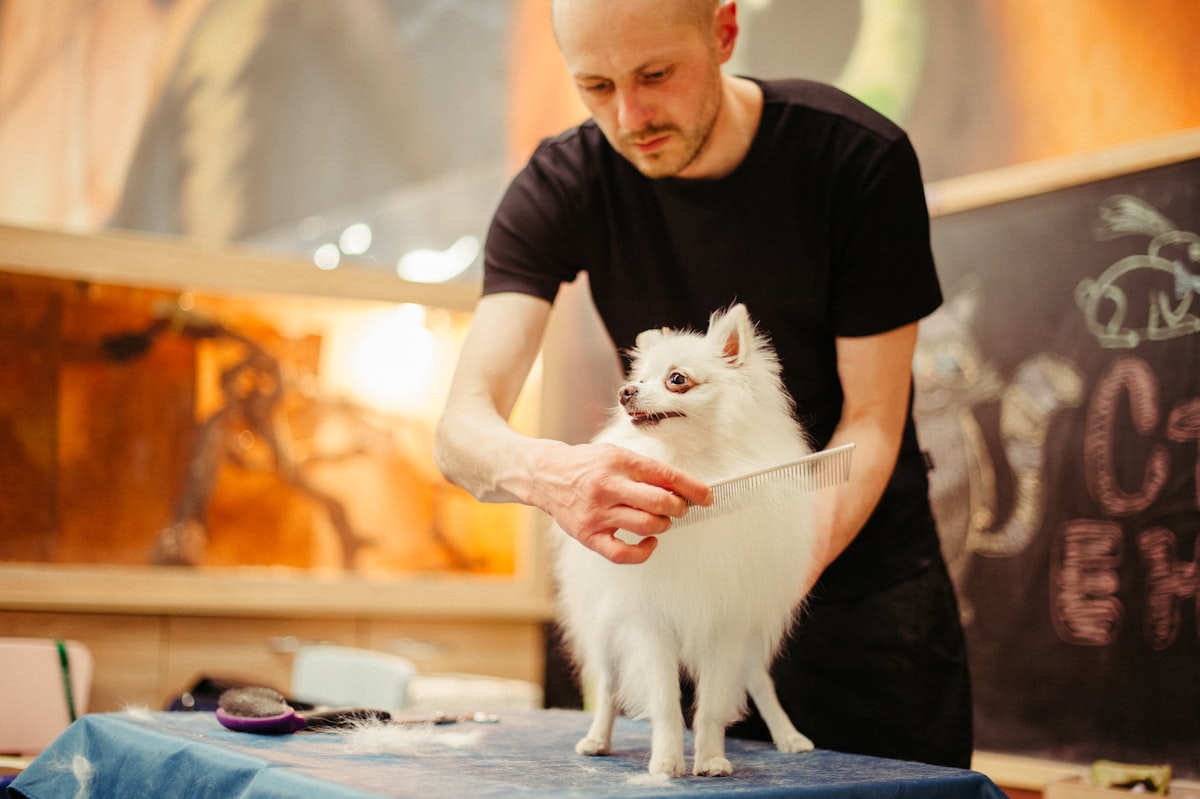
Quick Answer:
To deshed a dog at home, use a deshedding tool or undercoat rake 2–3 times per week for 10–15 minutes per session. Brush in the direction of hair growth, working section by section from back to front. During spring and fall blowout season, deshed daily. Pair with a deshedding shampoo during baths for maximum results. Never use a deshedding tool on a wet coat or over mats.
If you live with a double-coated dog, you know the struggle: fur on the couch, fur on your clothes, fur rolling like tumbleweeds across the kitchen floor. Learning how to deshed a dog at home is the single most effective way to take control of the situation. Professional deshedding treatments are excellent, but they happen every 6–8 weeks. What you do between appointments determines whether you live in a reasonably clean house or a fur factory.
The good news is that deshedding at home doesn't require professional training or expensive equipment. With a quality deshedding brush and 15 minutes a few times per week, you can remove the vast majority of loose undercoat before it ends up on your furniture.
What Does Deshedding a Dog Actually Mean?
Deshedding is different from regular brushing. Standard brushing with a slicker or pin brush works the topcoat — removing surface-level loose hair and distributing natural oils. Deshedding targets the undercoat: the dense, woolly layer beneath the guard hairs that provides insulation.
Double-coated breeds like Huskies, German Shepherds, Golden Retrievers, Labrador Retrievers, Australian Shepherds, and Corgis continuously cycle through undercoat growth and release. During spring and fall "coat blowing" season, they shed their entire undercoat over 2–4 weeks. A deshedding tool reaches through the topcoat to grab and remove that loose undercoat before it drops onto your floors and furniture.
You cannot stop shedding — it's a natural, healthy process. But you absolutely can manage where that fur ends up. Deshedding puts you in control.
The Best Tools to Deshed a Dog at Home
Not all brushes are created equal when it comes to deshedding. Here are the tools that actually work:
- Deshedding tool: A specialized blade-style brush that reaches through the topcoat to pull loose undercoat. This is the most effective single tool for heavy shedders. Look for one sized appropriately for your dog — large breeds need a wider head.
- Undercoat rake: A comb with long, rounded teeth that penetrates deep into the coat. Excellent for thick, long double coats like those on Bernese Mountain Dogs and Newfoundlands. Rakes with rotating teeth are gentler and reduce pulling.
- Grooming glove: A rubber-tipped glove that collects loose fur as you pet your dog. Less effective for heavy deshedding, but perfect for short-coated shedders like Labs and Beagles who dislike traditional brushes.
- Deshedding shampoo: A bath-time addition that loosens undercoat fibers so they rinse away. When combined with a thorough blow-dry, a deshedding bath removes significantly more hair than brushing alone.
Step-by-Step: How to Deshed a Dog at Home in 15 Minutes
- Start with a dry coat: Never deshed a wet or damp coat. The tools work best on dry fur, and wet undercoat clumps together, making removal harder.
- Work in sections: Part the coat and work through one section at a time. Start at the rear/hindquarters and move forward toward the head.
- Brush in the direction of hair growth: Use long, gentle strokes with the deshedding tool. Let the tool do the work — pressing too hard can irritate the skin or damage the topcoat.
- Spend extra time on heavy-shedding areas: The hindquarters, belly, chest, and behind the ears shed the most undercoat. Give these areas additional passes.
- Follow with a slicker brush: After deshedding, a quick pass with a slicker brush smooths the topcoat and catches any remaining loose hair.
- Clean the tool frequently: Remove collected fur from the deshedding tool after every few strokes. A clogged tool can't grip the undercoat effectively.
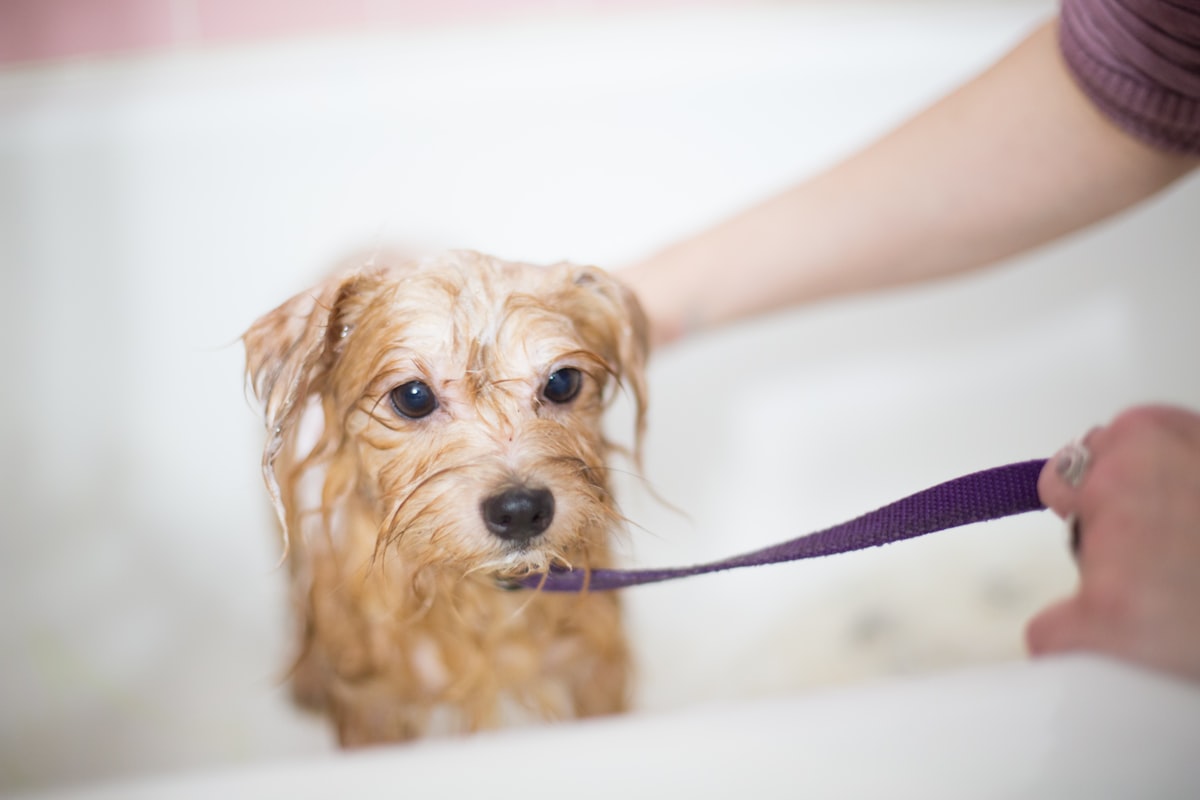
Regular deshedding sessions prevent undercoat buildup and keep shedding under control
How to Deshed a Dog During Blowout Season
Twice a year — typically in early spring and late fall — double-coated dogs "blow" their undercoat. During these 2–4 week periods, the amount of shedding is extraordinary. You may fill an entire garbage bag with fur from a single session on a large breed.
During blowout season, increase your deshedding routine to daily 15-minute sessions. This is also the ideal time for a professional deshedding bath and blow-out, which removes significantly more loose coat than brushing alone. The high-velocity dryer used by groomers blasts loose undercoat out of the coat in a way that home tools can't replicate. If you can, schedule a professional deshedding treatment at the start and midpoint of blowout season through OurPetGroomer.com's groomer directory, with daily at-home deshedding in between.
How Often Should You Deshed Your Dog?
| Season | Frequency | Session Length |
|---|---|---|
| Normal (summer/winter) | 2–3 times per week | 10–15 minutes |
| Blowout (spring/fall) | Daily | 15–20 minutes |
| Short-coated shedders | 1–2 times per week | 5–10 minutes |
Consistency matters more than marathon sessions. A 10-minute deshedding session three times a week will keep your dog's coat healthier and your home cleaner than an hour-long session once a month. Think of it as maintenance rather than a deep clean.
Products We Recommend
These are the deshedding tools we recommend for managing shedding at home:
Deshedding Brush
Removes up to 95% of loose undercoat. Built for double-coated breeds.
$24.99 →
Deshedding Shampoo
Loosens undercoat during bath time for easy rinse-away removal.
$18.99 →
Grooming Glove
Removes loose fur while petting. Perfect for dogs that dislike brushes.
$14.99 →
Find a Professional Groomer Near You
For deep deshedding during blowout season, nothing beats a professional deshedding bath and high-velocity blow-out. Find a groomer near you who specializes in double-coated breeds.
Find Groomers Near MeFrequently Asked Questions
What is the best way to deshed a dog at home?▼
Use a deshedding tool or undercoat rake to brush through the coat in the direction of hair growth, working section by section. Start at the rear and work forward. Brush for 10–15 minutes, 2–3 times per week. Pair with a deshedding shampoo during bath time for maximum results.
How often should you deshed a double-coated dog?▼
Double-coated dogs should be deshed 2–3 times per week year-round. During spring and fall coat blowing season, increase to daily 10–15 minute sessions. Consistent deshedding prevents the undercoat from matting and reduces fur on your furniture.
Does deshedding shampoo actually work?▼
Yes, deshedding shampoos work by loosening the undercoat and releasing dead hair during the bathing process. When combined with thorough rinsing and a blow-dry, a deshedding bath can remove significantly more loose hair than brushing alone.
What's the difference between a shedding brush and a deshedding tool?▼
A regular shedding brush removes loose hair from the topcoat surface. A deshedding tool has a specialized blade designed to reach through the topcoat and pull loose undercoat from beneath without cutting the guard hairs. For double-coated breeds, a deshedding tool is far more effective.
Deshedding is just one part of managing a shedding dog. Read our full guide on how to stop a dog from shedding so much for additional strategies. And if you're building out your grooming toolkit, our dog grooming kit checklist covers everything you need.
🛍️ Recommended Products
Professional-grade pet care products, delivered to your door.
Browse Products →Related Articles
Find a Deshedding Specialist Near You
Professional groomers offer deep deshedding baths with high-velocity blow-outs.
Find Groomers Near Me