Quick Answer:
Sudden hind leg weakness or paralysis in a cat is a potential cardiac emergency. Aortic thromboembolism (saddle thrombus) -- a blood clot that blocks blood flow to the back legs -- causes sudden paralysis, extreme pain, and cold limbs. This is life-threatening and requires immediate emergency vet care. Gradual weakness that develops over weeks is more likely arthritis, neurological disease, or diabetes-related neuropathy and should be evaluated by your vet promptly but is usually not an acute emergency.
Emergency Warning Signs -- Go to the ER Vet NOW:
- Sudden inability to move one or both back legs
- Cat crying out or vocalizing in extreme pain
- Back legs feel cold to the touch
- Paw pads are blue, purple, or pale instead of pink
- Dragging hind legs with no ability to stand
- Open-mouth breathing or panting alongside leg weakness
Is It Sudden or Gradual? The Most Critical Question
When you notice your cat having trouble with its back legs, the single most important question is: did this happen suddenly, or has it been developing over time? The answer determines whether you are dealing with a potential life-threatening emergency or a chronic condition that needs veterinary attention.
| Feature | Sudden Onset | Gradual Onset |
|---|---|---|
| Timeline | Minutes to hours | Weeks to months |
| Pain level | Extreme, cat vocalizing | Mild to moderate, often hidden |
| Leg temperature | Cold to touch | Normal (warm) |
| Paw pad color | Blue, pale, or purple | Normal pink |
| Most likely cause | Saddle thrombus (blood clot) | Arthritis, neurological disease |
| Urgency | EMERGENCY -- go now | Vet visit within days |
Sudden Paralysis: Saddle Thrombus Emergency
Aortic thromboembolism, commonly called a saddle thrombus, is one of the most devastating emergencies in feline medicine. It occurs when a blood clot -- usually formed in the heart due to underlying heart disease -- breaks free and lodges at the aortic bifurcation, the point where the aorta splits into the two arteries supplying the hind legs.
When the clot blocks blood flow, the hind legs are suddenly starved of oxygen. The result is immediate and dramatic: the cat typically cries out in extreme pain, loses the ability to move one or both back legs, and the affected limbs become cold and stiff. The paw pads, which should be pink, turn pale, blue, or purplish because no oxygenated blood is reaching them.
Saddle thrombus most commonly affects cats with hypertrophic cardiomyopathy (HCM), a condition where the heart muscle thickens abnormally. Many cats with HCM show no symptoms until the moment a clot is thrown, making a saddle thrombus the first sign of previously undetected heart disease. Middle-aged to older cats are most commonly affected, though it can occur at any age.
How to Recognize a Saddle Thrombus
- Sudden onset -- the cat was fine minutes ago
- Extreme vocalization and pain
- One or both hind legs are paralyzed or very weak
- Affected legs feel cold compared to the front legs
- Paw pads are blue, purple, or pale (not pink)
- Nail beds do not bleed when clipped (no blood flow)
- The cat may be panting or breathing rapidly
The prognosis for saddle thrombus is guarded. Even with aggressive emergency treatment, roughly half of affected cats do not survive the initial event. Cats that do survive often face a long recovery period and a significant risk of recurrence. Treatment focuses on pain management, blood thinners, supportive care, and addressing the underlying heart disease. The decision to pursue treatment versus humane euthanasia is deeply personal and should be made with your emergency veterinarian based on the severity of the event and your cat's overall condition.

Cats are masters at hiding pain -- subtle changes in mobility may be the only early warning sign of serious illness
Gradual Weakness: Arthritis
Arthritis (degenerative joint disease) is the most common cause of gradual hind leg weakness in cats, particularly in those over 10 years of age. Studies suggest that up to 90 percent of cats over age 12 have radiographic evidence of arthritis, though many owners never realize their cat is affected because cats are exceptionally skilled at masking pain.
Unlike dogs, cats with arthritis rarely limp in an obvious way. Instead, they make subtle behavioral changes: they stop jumping onto counters or beds, they take the long way around instead of leaping, they may hesitate at stairs, and they often reduce their grooming of hard-to-reach areas like the lower back and hind legs, leading to a matted or unkempt coat in those areas. Regular professional grooming can help arthritic cats maintain coat health in areas they can no longer reach themselves.
Signs of Arthritis in Cats
- Reluctance to jump: Stops jumping to favorite high spots, or jumps to intermediate surfaces first
- Stiffness after resting: Moves awkwardly when first getting up, then loosens with movement
- Reduced activity: Sleeps more, plays less, avoids stairs
- Reduced grooming: Matted or unkempt fur on the back and hind legs
- Litter box issues: Difficulty stepping into high-sided litter boxes, accidents outside the box
- Irritability: Reacts negatively when touched near the hips or lower back
Arthritis Management Tips
Your vet may recommend anti-inflammatory pain medications (such as meloxicam or solensia), joint supplements containing glucosamine and omega-3 fatty acids, weight management to reduce stress on joints, ramps or steps to favorite resting spots, heated beds for comfort, and low-sided litter boxes for easier access.
Neurological Causes
Several neurological conditions can cause hind leg weakness in cats. These range from spinal cord compression to nerve damage, and they often develop gradually with worsening symptoms over time.
Intervertebral Disc Disease (IVDD)
While more commonly associated with dogs, cats can develop IVDD, a condition where the cushioning discs between vertebrae deteriorate or herniate, putting pressure on the spinal cord. This causes progressive weakness, wobbliness (ataxia), and in severe cases, paralysis of the hind legs. Overweight cats are at higher risk.
Spinal Tumors
Tumors affecting the spine or spinal cord can gradually compress nerves, leading to progressive hind leg weakness. Lymphoma is the most common spinal tumor in cats. Symptoms worsen over weeks to months and may include loss of coordination, difficulty walking, and eventually inability to stand.
Feline Infectious Peritonitis (FIP)
The neurological (dry) form of FIP can cause progressive hind leg weakness and wobbliness. This viral disease primarily affects young cats and can be difficult to diagnose. Recent advances in antiviral treatments have significantly improved outcomes for cats with FIP.
Diabetes-Related Weakness
Diabetic neuropathy is a distinctive cause of hind leg weakness in cats with uncontrolled diabetes. Prolonged high blood sugar damages the peripheral nerves, particularly those in the hind legs, causing a characteristic plantigrade stance -- the cat walks flat on its hocks (ankles) instead of up on its toes.
This flat-footed, crouching walk is highly specific to diabetic neuropathy and is often the sign that leads to a diabetes diagnosis. The good news is that diabetic neuropathy can improve or even resolve completely once blood sugar levels are brought under control with insulin therapy, proper diet, and weight management.
| Cause | Onset | Key Features | Prognosis |
|---|---|---|---|
| Saddle Thrombus | Minutes | Cold legs, extreme pain, blue paw pads | Guarded (~50% mortality) |
| Arthritis | Months to years | Stiffness, reduced jumping, warm legs | Good with management |
| IVDD | Days to weeks | Wobbliness, pain along spine | Variable, may need surgery |
| Diabetic Neuropathy | Weeks to months | Flat-footed walk, walks on hocks | Often reversible |
| Spinal Tumor | Weeks to months | Progressive weakness, loss of coordination | Depends on tumor type |
When to Rush to the Emergency Vet
Not all hind leg weakness is an emergency, but some situations require immediate action. Use this guide to determine urgency:
Go to the Emergency Vet Immediately If:
- Back legs stopped working suddenly (minutes to hours ago)
- Your cat is in obvious, severe pain -- crying, screaming, or thrashing
- The hind legs or paws feel cold compared to the front legs
- Paw pads are blue, white, or purple instead of pink
- Your cat is also having difficulty breathing
- Hind leg weakness plus collapse, seizures, or loss of consciousness
- Your cat cannot urinate or defecate
See Your Vet Within 1-2 Days If:
- * Weakness developed gradually over weeks and is getting worse
- * Cat is walking on its hocks (flat-footed, plantigrade stance)
- * Wobbliness or loss of coordination in the back legs
- * Dragging one hind leg after a possible fall or injury
- * New difficulty jumping or climbing stairs

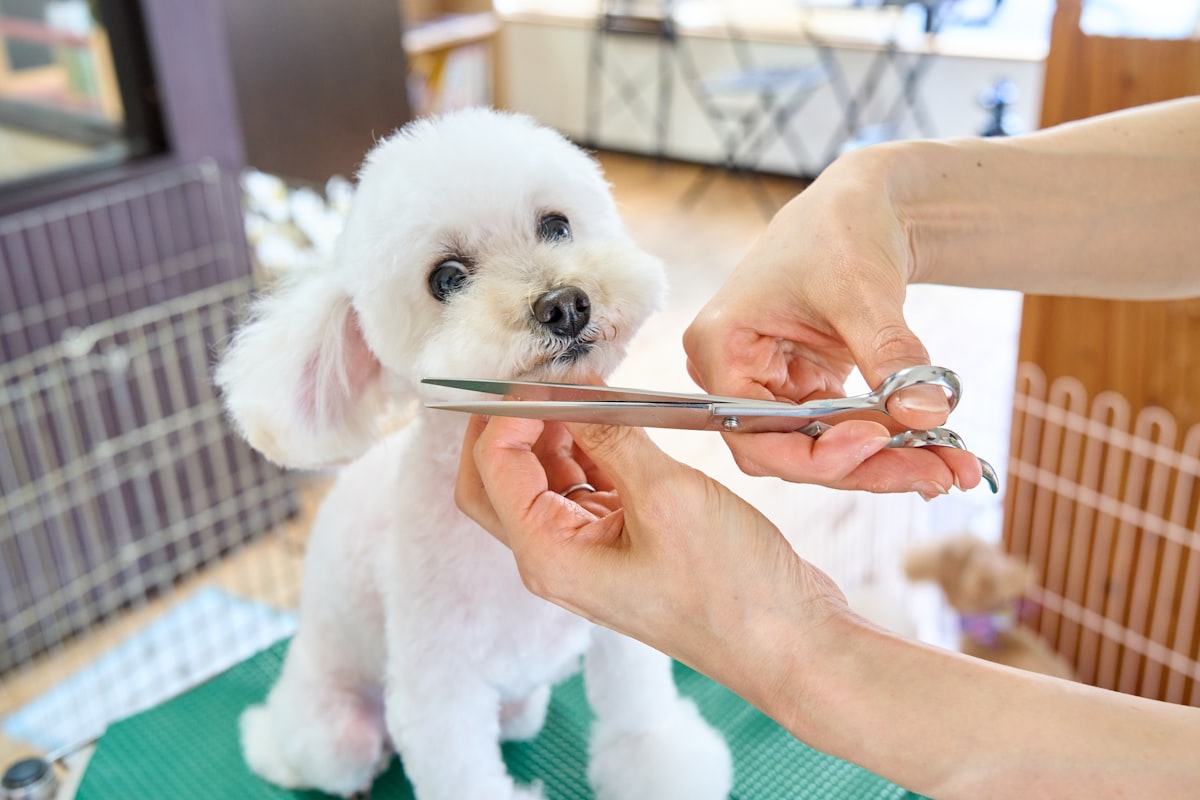
Regular grooming visits can help identify early mobility changes before they become serious
Treatment Options
Treatment depends entirely on the underlying cause. Your veterinarian will perform a thorough physical examination, and may recommend blood work, X-rays, ultrasound, or advanced imaging such as an MRI to reach a diagnosis.
For Saddle Thrombus
- Emergency stabilization: Pain management is the immediate priority, as this condition is excruciatingly painful
- Blood thinners: Heparin or clopidogrel to prevent additional clot formation
- Heart medication: Treatment of underlying cardiomyopathy
- Supportive care: IV fluids, oxygen therapy, monitoring
- Long-term management: Lifelong blood thinners and cardiac medications for survivors
For Arthritis
- Pain medication: NSAIDs (meloxicam) or newer options like Solensia (frunevetmab), a monthly injection specifically designed for feline arthritis pain
- Weight management: Reducing excess weight significantly decreases joint stress
- Joint supplements: Glucosamine, chondroitin, and omega-3 fatty acids
- Environmental modifications: Ramps, heated beds, low-sided litter boxes
- Physical therapy: Gentle range-of-motion exercises and controlled activity
For Diabetic Neuropathy
- Insulin therapy: Getting blood sugar under control is the primary treatment
- Dietary management: High-protein, low-carbohydrate diet
- Vitamin B12 supplementation: May help support nerve repair
- Weight management: Obese diabetic cats benefit greatly from weight loss
Prevention Through Regular Vet Care
While not all causes of hind leg weakness can be prevented, regular veterinary care significantly improves early detection and outcomes:
- Annual wellness exams: Twice yearly for cats over age 10. Your vet can detect early signs of heart disease, arthritis, and diabetes before symptoms become severe.
- Heart screening: An echocardiogram can detect hypertrophic cardiomyopathy before it produces a blood clot. This is especially important for at-risk breeds like Maine Coons, Ragdolls, and British Shorthairs.
- Weight management: Maintaining a healthy weight reduces the risk of arthritis, diabetes, and heart disease. An overweight cat is significantly more likely to develop multiple conditions that cause hind leg weakness.
- Blood work: Regular blood panels can catch diabetes early, before neuropathy develops.
- Watch for subtle changes: Because cats hide pain so effectively, pay attention to small behavioral shifts -- reduced jumping, less grooming, sleeping in lower spots, or reluctance to play.
Professional groomers can also be valuable allies in early detection. During regular grooming sessions, experienced groomers may notice changes in mobility, muscle mass, or coat condition that indicate developing health problems. Visit our cat health resource center for more information on keeping your cat healthy throughout every life stage.
Frequently Asked Questions
Why are my cat's back legs suddenly not working?▼
Sudden loss of hind leg function in cats is most commonly caused by aortic thromboembolism (saddle thrombus), a life-threatening cardiac emergency where a blood clot blocks blood flow to the back legs. The cat will cry out in pain, the legs will feel cold, and the paw pads may turn blue or pale. This requires immediate emergency veterinary care.
What causes gradual weakness in a cat's back legs?▼
Gradual hind leg weakness in cats is most often caused by arthritis (especially in senior cats), intervertebral disc disease, diabetic neuropathy, hip dysplasia, or degenerative joint disease. Unlike sudden paralysis, gradual weakness develops over weeks to months and usually responds to treatment.
Is cat hind leg weakness an emergency?▼
Sudden onset hind leg weakness or paralysis is always an emergency. If your cat suddenly cannot use its back legs, is crying in pain, or the legs feel cold, go to the emergency vet immediately. Gradual weakness that worsens over weeks is not typically an emergency but should be evaluated by your vet within a few days.
Can a cat recover from hind leg paralysis?▼
Recovery depends on the cause. Cats with arthritis or mild disc disease often improve significantly with treatment. Saddle thrombus has a guarded prognosis -- some cats recover partially with aggressive treatment, but many do not survive the initial event. Diabetic neuropathy can improve or resolve with proper blood sugar management.
How do I know if my cat has arthritis in its back legs?▼
Signs of arthritis in cats include reluctance to jump, difficulty climbing stairs, stiffness after resting, reduced grooming of the back and hind legs, irritability when touched near the hips, and decreased activity. Unlike dogs, cats rarely limp obviously. Instead, they become less active and may stop jumping to favorite high spots.
What is saddle thrombus in cats?▼
Saddle thrombus (aortic thromboembolism) occurs when a blood clot, usually from heart disease, lodges at the aortic bifurcation where the aorta splits to supply the hind legs. It cuts off blood flow, causing sudden paralysis, extreme pain, and cold hind limbs. It is a life-threatening emergency with roughly 50 percent mortality even with treatment.
The Bottom Line
The speed of onset is everything. Sudden hind leg paralysis with cold legs and extreme pain points to a saddle thrombus -- a cardiac emergency that demands immediate veterinary care. Gradual weakness developing over weeks or months is more likely arthritis, neurological disease, or diabetic neuropathy, all of which have treatment options that can significantly improve your cat's quality of life.
Regular veterinary checkups, maintaining a healthy weight, and paying attention to subtle behavioral changes are the best strategies for early detection. If your cat's back legs suddenly stop working, do not wait -- get to the emergency vet immediately. For gradual weakness, schedule a vet appointment within a few days so your veterinarian can identify the cause and begin appropriate treatment.
Related Articles
🛍️ Recommended Products
Professional-grade pet care products, delivered to your door.
Browse Products →Related Cat Health Guides
Regular Grooming Supports Cat Health
Professional groomers can spot early signs of mobility issues and coat changes in your cat.
Find Cat Groomers Near Me